Top Advantages of Using Spd Lightning Arrester for Enhanced Protection?
In today's world, the importance of effective lightning protection cannot be overstated. As storms become more unpredictable, the use of SPDs, or Surge Protective Devices, becomes crucial. An expert in the industry, Dr. Emily Hart, stated, "Investing in SPDs like the SPd Lightning Arrester can save lives and prevent costly damage."
The SPd Lightning Arrester serves as a vital barrier against electrical surges. During intense storms, electrical systems are at high risk. Without proper protection, equipment can fail, resulting in significant repair costs. Consider a hospital; if a power surge occurs, it may disrupt critical medical equipment. This potential danger makes SPd Lightning Arresters essential.
Moreover, not all systems are adequately protected. Many facilities underestimate the risks of lightning strikes. The SPd Lightning Arrester not only protects but also enhances the resilience of electrical systems. Its effectiveness lies in its ability to absorb and redirect surges safely. Ultimately, realizing the benefits of SPd Lightning Arresters is a critical step for any business or establishment. However, it requires ongoing vigilance and commitment to safety standards.
Top Advantages of Using SPD Lightning Arrester for Enhanced Protection
Using an SPD lightning arrester offers significant benefits for those seeking enhanced protection. These devices are designed to shield electrical systems from high-voltage surges caused by lightning strikes. When lightning strikes, the energy can travel through power lines, potentially damaging equipment. SPD lightning arresters minimize this risk efficiently. One remarkable feature of SPD lightning arresters is their quick response time. They act in microseconds, diverting dangerous surges away from sensitive devices. This feature reduces equipment failure rates dramatically. Protection extends to both commercial and residential settings, safeguarding vital appliances and systems. However, it’s important to consider that not all installations are perfect. Proper installation and maintenance are crucial for optimal performance. Another advantage is cost-effectiveness. Investing in SPD devices can save money on repairs over time, making them a smart choice. Though their upfront cost might raise concerns, the long-term savings often outweigh initial expenses. Yet, users should remain aware that technology evolves. Regular updates and checks ensure that the protection measures stay relevant. It is a good practice to revisit the system's effectiveness periodically. This proactive approach helps maintain a secure environment.
Top Advantages of Using SPD Lightning Arrester for Enhanced Protection
| Advantage | Description | Impact |
| Increased Safety | Protects individuals and equipment from surges caused by lightning strikes. | Reduces the risk of injury and property damage. |
| Cost Effectiveness | Minimizes repair costs from lightning damage over time. | Long-term savings on equipment and facility repairs. |
| System Reliability | Ensures that electrical systems function properly without interruption. | Increases uptime and operational efficiency. |
| Compliance | Helps businesses meet electrical safety codes and regulations. | Avoids fines and enhances reputation. |
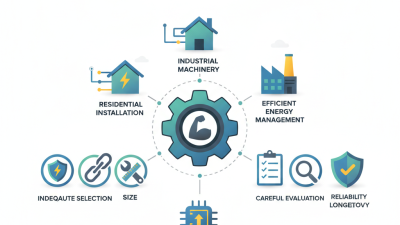
| Versatility | Can be used in various applications, from homes to large industrial setups. | Adaptable to different protection needs. |
Understanding the Functionality of SPD Lightning Arresters
SPD lightning arresters play a crucial role in protecting electrical systems. They are designed to limit electrical surges caused by lightning strikes. This functionality is vital for safeguarding equipment and infrastructure. By redirecting excess voltage, they prevent damage that can be costly to repair. The technology helps maintain system integrity, especially in areas prone to thunderstorms.
These devices work by detecting voltage spikes and shunting them away from sensitive components. Understanding their operation is essential for proper installation and usage. However, some may underestimate their importance. Without SPD lightning arresters, valuable systems can be at risk. Regular maintenance is also necessary to ensure they function correctly. Ignoring this could lead to unexpected failures.
The placement of SPD lightning arresters should be strategic. They need to be close to the equipment they protect. However, improper installation can result from a lack of knowledge. Users should also frequently inspect these protectors for wear and tear. Remember, investing in robust protection is critical. It's not just about installing a device; it's about understanding its role in a broader safety strategy.
Key Benefits of Implementing SPD Technology in Electrical Systems
Implementing SPD technology in electrical systems has become crucial for improved safety. According to a study from the International Electrotechnical Commission, surge protective devices can reduce the risk of electrical damage by up to 90%. This is vital, as lightning strikes can cause significant interruptions and costly repairs.
SPDs are designed to divert excess voltage away from sensitive equipment. They ensure that systems remain operational during electrical surges. In data centers, implementing SPDs can save businesses thousands of dollars in potential downtime. The National Fire Protection Association reports that electrical fires from surges account for billions in damages annually. These statistics underscore the need for effective surge protection.
Many companies still overlook the importance of SPDs. Inadequate protection often leads to severe consequences. Additionally, older electrical systems may not have integrated SPDs, leaving them vulnerable. Educating staff on SPD benefits is essential. Proper training can help in recognizing the signs of electrical surges. Investing in SPD technology not only safeguards equipment but also enhances overall operational reliability.
Comparative Analysis: SPD Lightning Arresters vs. Traditional Systems
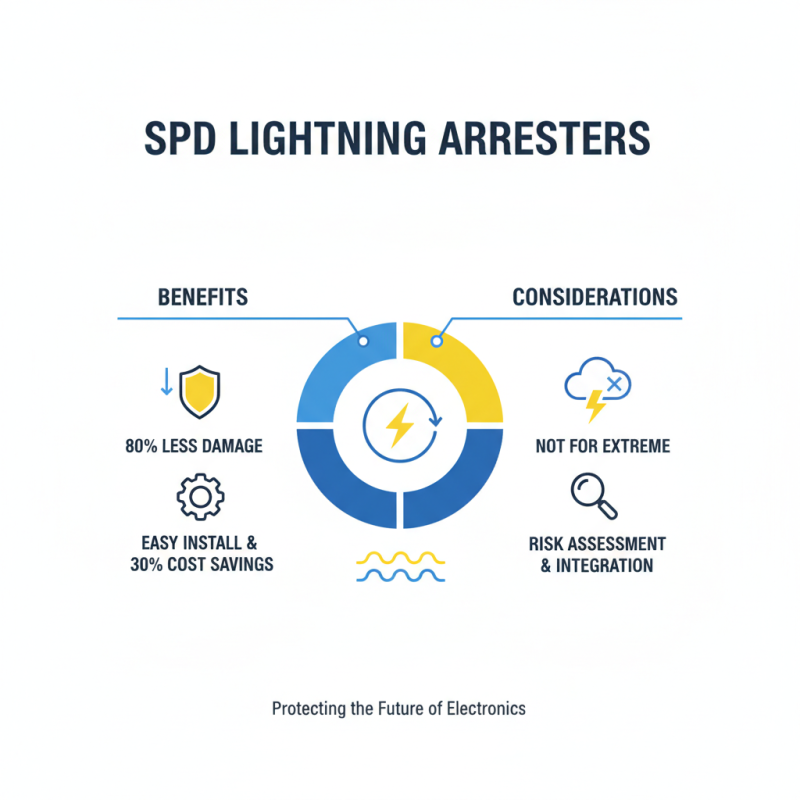
The adoption of SPD lightning arresters is transforming protective measures in various sectors. Unlike traditional systems, SPD devices provide a more efficient response to lightning strikes. A recent industry report noted that SPDs can reduce damage to electrical equipment by up to 80% compared to older technologies. This is crucial for industries reliant on sensitive electronic systems. Moreover, SPD lightning arresters offer significant advantages in installation and maintenance. Traditional systems often require extensive ground connections, increasing installation time and complexity. In contrast, SPDs are typically easier to install, saving labor costs. A study from leading industry experts found that operational costs are reduced by nearly 30% when using SPD systems versus conventional methods. However, understanding the limitations is as vital as acknowledging the benefits. SPDs might not provide complete protection in extreme conditions. Users must conduct thorough risk assessments to ensure that these devices meet their specific needs. Relying solely on SPDs without a comprehensive protection strategy may leave vulnerabilities. This calls for further examination of how well these devices integrate with existing protection schemes.
Practical Applications and Use Cases of SPD Lightning Arresters
SPD lightning arresters provide critical protection for various applications. They are designed to safeguard electrical systems from surges.
One practical use case is in commercial buildings. These structures often have large electrical systems. A surge can cause significant damage, leading to costly repairs. Installing SPD lightning arresters helps prevent these issues.
Another application is in residential settings. Homes with sensitive electronics benefit greatly. Devices like computers and TVs are vulnerable to voltage spikes. An SPD lightning arrester can protect these devices effectively. It works by diverting excess voltage away from equipment. With this protection, homeowners can ensure their electronics last longer.
Tip: Regular maintenance of SPD systems is essential. Check connections periodically.
Consider the limitations as well. Some might fail under extreme conditions. It's important to choose the right type for specific needs. Additional measures may be necessary for maximum safety.
Tip: Always consult a professional for installation advice. This can save costs and enhance protection. Proper setup is key to effectiveness.

 +86 13868429846
 Contact Phone
 Contact Email