The Best 10 Electromagnetic Contactors for Reliable Control Solutions?
Electromagnetic contactors are essential components in industrial control systems. They enable reliable operation of electrical circuits. According to a recent report by MarketsandMarkets, the global market for electrical contactors is expected to reach $24.5 billion by 2025, growing at a CAGR of 5.7%. This growth reflects the increasing demand for automation and efficient control mechanisms across various industries.
Selecting the right electromagnetic contactor is crucial for system reliability and safety. The right choice can prevent failures that lead to costly downtime. However, many engineers overlook critical specifications, such as voltage ratings and coil power consumption. These oversights can cause performance issues.
Additionally, advancements in technology have introduced new features in contactors. Features like remote monitoring and diagnostics can improve operational efficiency. Yet, not all manufacturers are transparent about these enhancements. It is essential to compare options carefully. Understanding specific needs plays a vital role in avoiding common pitfalls. The journey to finding the best electromagnetic contactors is not always straightforward, but it is necessary for achieving optimal control solutions.
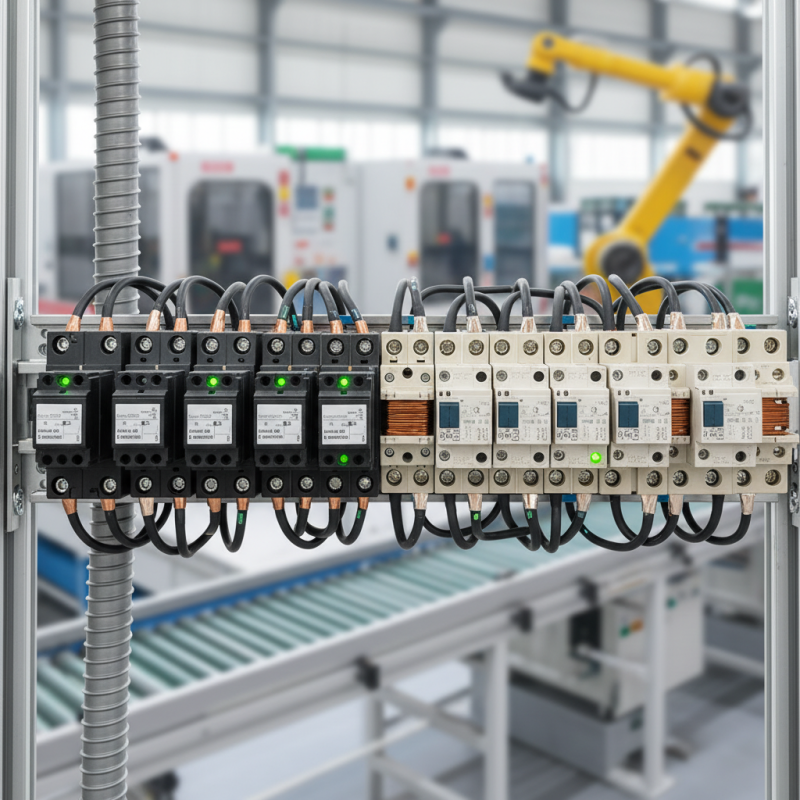
Overview of Electromagnetic Contactors and Their Functionality
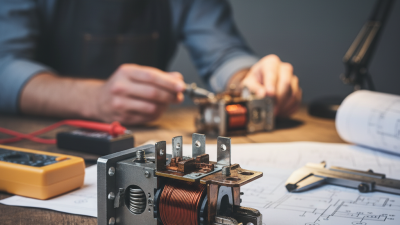
Electromagnetic contactors play a vital role in electrical control systems. They are electromechanical switches used to control large electrical loads. When an electrical current flows through a coil, it creates a magnetic field. This pulls in a movable contact arm, connecting power to the load. The contactor opens and closes circuits effectively, ensuring reliable operation.
These devices can vary in size and function. Small contactors may manage lighting systems, while larger ones power industrial machines. Understanding their role helps in selecting the right type. Installation can sometimes be confusing. Miswiring can lead to malfunctions or safety hazards. Proper knowledge and training are essential for safe use. Ignoring this can result in significant risks.
While electromagnetic contactors are generally reliable, they still require maintenance. Regular checks can prevent unexpected failures. Their lifespan can be reduced by frequent cycling or poor environmental conditions. Assessing operational environments is crucial. Dust, moisture, or extreme temperatures can all affect performance. Constructing a proactive maintenance routine can significantly enhance reliability.
Factors to Consider When Choosing an Electromagnetic Contactor
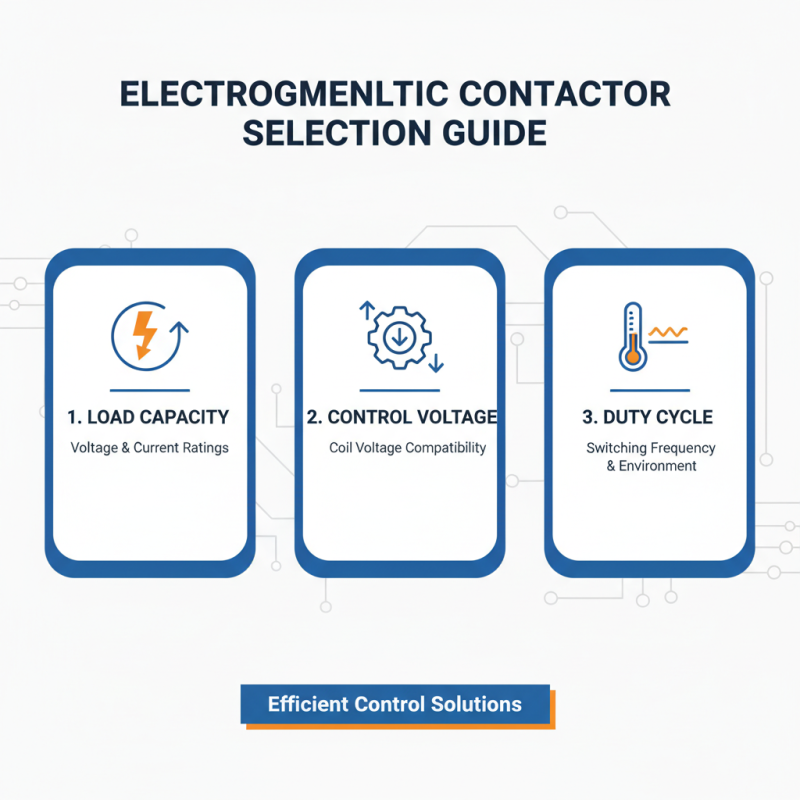
Choosing the right electromagnetic contactor is crucial for efficient control solutions. Several factors influence this decision. One key aspect is the load capacity. Ensure the contactor can handle the required voltage and current ratings. Too low a rating may lead to failures. In contrast, high ratings can be unnecessarily costly.
Another factor is the environment. Will the contactor be exposed to dust, moisture, or extreme temperatures? Selecting an appropriate enclosure can protect against these elements. Additionally, consider how often the contactor will cycle. Frequent operations may demand a different design than occasional use.
Don’t overlook the coil voltage. Make sure it matches your system's requirements. A mismatch can cause operating issues. Lastly, think about the mounting style. Some installations require specific configurations. Ignoring these details could lead to complications later on. Reflect on these points to make a better choice.
Top 10 Electromagnetic Contactors for Different Applications
Electromagnetic contactors play a crucial role in control solutions across various sectors. From industrial machinery to HVAC systems, these devices facilitate reliable operations. According to industry reports, the global contactor market is expected to reach USD 1.3 billion by 2026, driven by advancing automation trends. As a result, choosing the right electromagnet contactor tailored for specific applications is essential.
For motors, consider contactors rated for frequent cycling. A typical industrial motor may draw significant currents during start-up. It's vital to select contactors that can handle these inrush currents. This is often overlooked, leading to premature failures. If a contractor is underrated, it may cause operational downtime, impacting productivity.
**Tip:** Always check the coil voltage of your contactor. Mismatched voltages can damage the device. Additionally, consider thermal overload relays. They protect your motors from overheating, yet they aren't always standard with contactors.
In lighting applications, low-power contactors suffice. However, using oversized contactors can waste energy and create unnecessary costs. Several studies indicate that inefficient contactor selection results in over 15% energy loss. It's crucial to evaluate the load requirements accurately. Keeping a balanced load ensures optimal performance and a longer lifespan for the device.
**Tip:** Regular maintenance checks help identify issues early. Neglecting this can lead to frequent failures and increased operational risks.
The Best 10 Electromagnetic Contactors for Reliable Control Solutions
Comparison of Features and Specifications of Selected Contactors
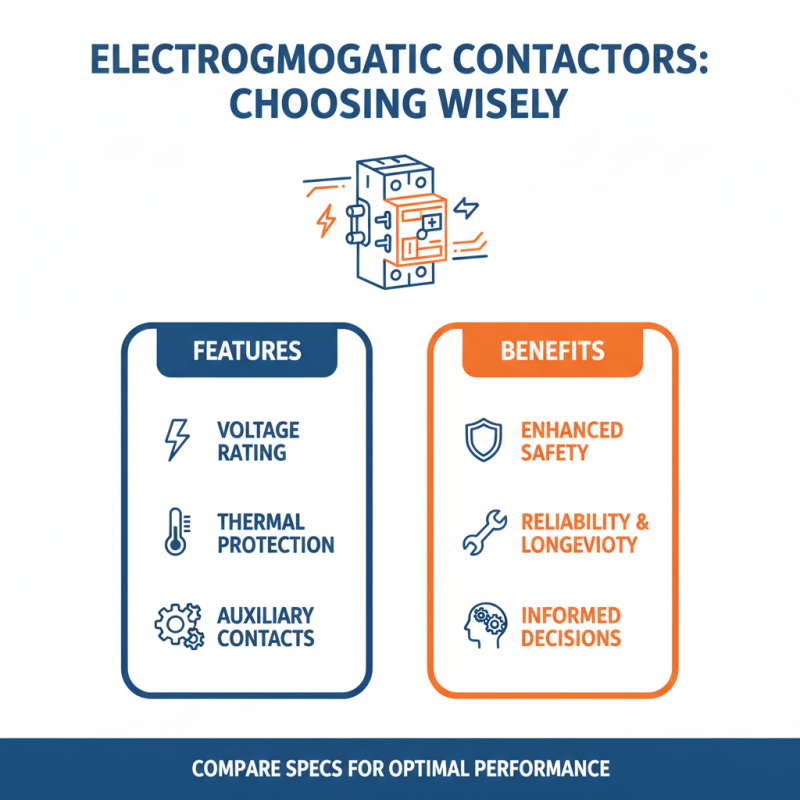
When choosing electromagnetic contactors, it's essential to compare features and specifications. Not all contactors are created equal. Some have higher voltage ratings, while others offer better thermal protection. Understanding these specifications can help you make informed decisions.
The size and installation configuration of a contactor matter as well. Larger contactors often handle more loads but can be cumbersome in tight spaces. On the other hand, compact designs may fit better but might compromise on power capacity. Pay attention to the control voltage requirements as well. They can vary widely and must match your system.
Additionally, consider the environment where the contactor will be used. Some are designed to withstand harsh conditions, while others are suited for milder settings. It's necessary to reflect on your specific needs. Don’t just go for the top features; sometimes, simpler options can provide reliable performance without unnecessary complexity. Adjusting your selection criteria may yield unexpected benefits.
Best Practices for Installation and Maintenance of Electromagnetic Contactors
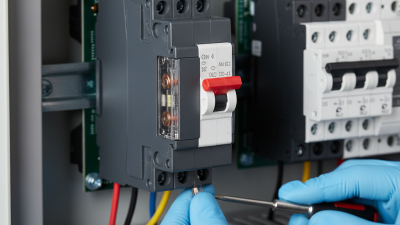
Proper installation and maintenance of electromagnetic contactors are crucial for optimal performance. Start by ensuring you have the right tools. Use a torque wrench for precise tightening. Incorrect torque can lead to poor connections. Double-check the connections; even a small oversight can cause significant issues.
Regularly inspect the contactor's contacts for wear or damage. Dust and debris can accumulate over time, impacting functionality. Keep the area clean and dry. It’s easy to overlook simple maintenance tasks. Set a schedule for routine checks. This helps catch potential problems early.
Watch for unusual noises or excessive heat during operation. These may signal underlying issues. Addressing these early can prevent costly failures. Remember to train staff on basic troubleshooting. This can empower them to act quickly and responsibly. A little diligence goes a long way in maintaining reliability.
The Best 10 Electromagnetic Contactors for Reliable Control Solutions
| Model |
Coil Voltage (V) |
Contact Configuration |
Current Rating (A) |
Insulation Class |
Dimensions (mm) |
| Model 1 |
24 |
1NO-1NC |
25 |
B |
80 x 60 x 90 |
| Model 2 |
48 |
3NO |
40 |
F |
90 x 70 x 110 |
| Model 3 |
120 |
2NO-2NC |
50 |
H |
100 x 80 x 130 |
| Model 4 |
230 |
1NO-1NC |
63 |
B |
110 x 90 x 140 |
| Model 5 |
12 |
4NO |
32 |
F |
70 x 60 x 80 |
| Model 6 |
48 |
1NO-3NC |
40 |
B |
85 x 55 x 100 |
| Model 7 |
120 |
2NO |
75 |
H |
95 x 75 x 125 |
| Model 8 |
230 |
1NO-1NC |
63 |
F |
115 x 90 x 150 |
| Model 9 |
48 |
3NO-1NC |
40 |
B |
90 x 70 x 110 |
| Model 10 |
24 |
1NO-1NC |
25 |
B |
80 x 60 x 90 |

 +86 13868429846
 Contact Phone
 Contact Email