Leave Your Message

How to Choose the Best Motor Protection Controller for Your Needs?

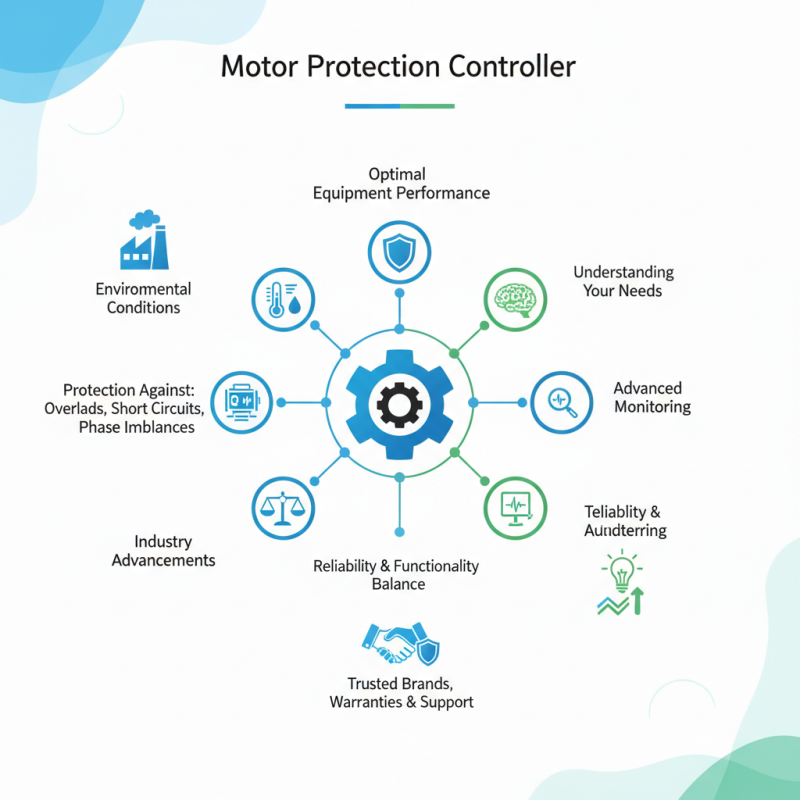
Choosing the right Motor Protection Controller is vital for optimal equipment performance. Many factors influence your decision, from application specifics to environmental conditions. A well-selected controller ensures protection against overloads, short circuits, and phase imbalances.

Understanding your needs can be complex. Various models offer distinct features. Some prioritize simplicity, while others focus on advanced monitoring capabilities. Acknowledging these differences helps avoid costly mistakes that can arise from impulse choices. Your ideal controller should reflect a balance of reliability and functionality.

It's essential to consider trusted brands that provide solid warranties and support. Yet, not every well-known option is the best fit for your situation. Continuous learning about industry advancements will empower you to make informed decisions. Strive for a controller that aligns with your unique operational requirements.
How to Choose the Best Motor Protection Controller for Your Needs?

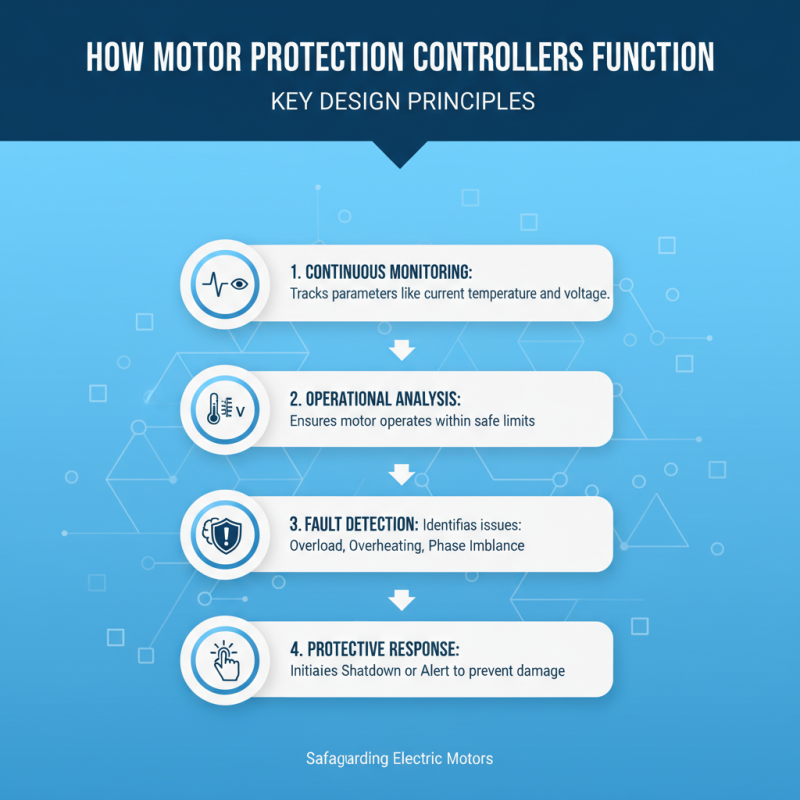
How Motor Protection Controllers Function: Key Design Principles

How to Choose the Best Motor Protection Controller for Your Needs?

Motor protection controllers are pivotal in safeguarding electric motors from damage caused by overloads, overheating, or phase imbalances. These devices continuously monitor operational parameters. They ensure that the motor operates within safe limits. When a fault occurs, the controller can initiate a shutdown or an alert, preventing extensive damage.

Key design principles of motor protection controllers include sensitivity and reliability. High sensitivity allows for quick detection of faults. This is essential for minimizing risks. Reliability ensures that the controller performs consistently over time, even under varying conditions. Additionally, the design should accommodate various motor types and sizes, making flexibility a crucial feature.

Yet, the choices can be overwhelming. Not every controller suits every environment. Factors like humidity, temperature, and electrical conditions must be considered. The user may encounter challenges when trying to balance cost and functionality. Sometimes, a more expensive controller proves less reliable than a simpler option. Reflecting on specific needs and application scenarios is critical.
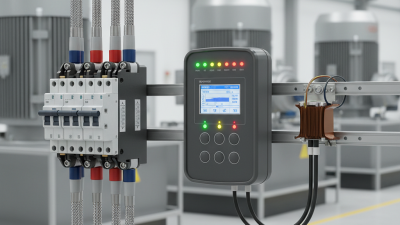
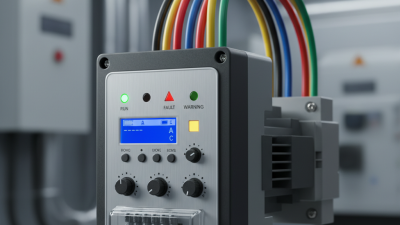
Understanding Different Types of Motor Protection Controllers Available

When selecting a motor protection controller, understanding the different types available can help you make informed choices. These devices safeguard motors from conditions like overloads and electrical faults. Common types include thermal overload relays, electronic overload relays, and soft starters. Each type offers unique features and protection levels.

Thermal overload relays are simple and cost-effective. They protect against overheating by using a bimetallic strip. Electronic overload relays provide more precise control. They can detect phase imbalance and offer programmable settings. Soft starters help reduce inrush current and extend motor life. They gently ramp up motor speed to prevent mechanical stress.

Tips: Assess your motor specifications before choosing a controller. Understand the environment where the motor operates. Factors like humidity or dust can affect device performance. Regular maintenance checks can identify issues early. Consider flexibility in control options to adapt to future needs. Choosing the right motor protection controller can enhance efficiency and increase equipment lifespan.

Understanding Different Types of Motor Protection Controllers

Factors Influencing the Selection of Motor Protection Controllers

Selecting the right motor protection controller is crucial for optimal performance. Several factors can significantly influence your choice. One major consideration is the operating environment. Controllers must withstand temperature fluctuations, humidity, and possible exposure to dust. Evaluate the conditions where your motors will operate before making a decision.

Another essential factor is compatibility with existing systems. Ensure the controller integrates smoothly with your current motor design. Familiarize yourself with the technical specifications of both the motor and the controller. Understanding features such as overload protection and short-circuit protection is vital. These features prevent damage and enhance operational efficiency.

It's also important to consider user interface design. A controller with a clear display and intuitive controls eases the management of motor functions. Training may be needed for complex systems. Reflect on your team’s technical skill level. Investing in user-friendly technology can minimize errors and increase reliability in the long run.

Evaluating Motor Protection Controllers: Industry Standards and Metrics

How to Choose the Best Motor Protection Controller for Your Needs?

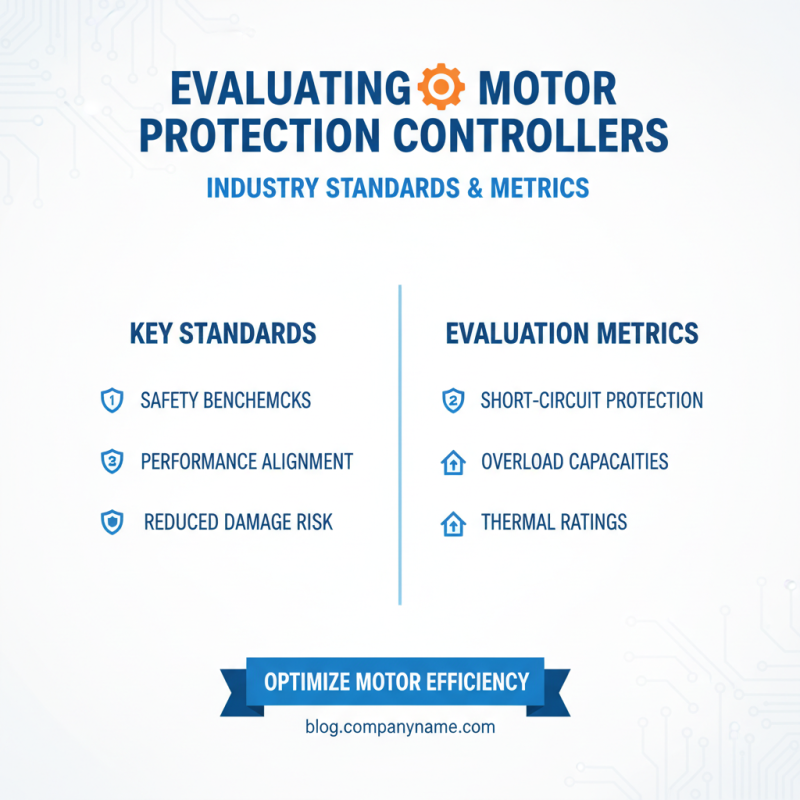
When evaluating motor protection controllers, understanding industry standards is crucial. These controllers must align with safety and performance benchmarks. Many professionals utilize metrics such as short-circuit protection, overload capacities, and thermal ratings to make their choices. These criteria help ensure that motors operate efficiently, reducing the risk of damage over time.

It is important to consider the unique operational environment. Factors like ambient temperature, humidity, and vibration levels can significantly influence performance. Some controllers might not perform well in extreme conditions. Also, the ease of integration with existing systems shouldn’t be overlooked. Complex setups can lead to operational inefficiencies and potential hazards.

While reviewing specifications, be cautious of overemphasis on high ratings. High numbers do not guarantee compatibility or suitability for specific applications. Imbalances can exist between theoretical ratings and real-world performance. Reflection on actual user experiences can offer valuable insights. Engaging with peers in the industry can illuminate potential drawbacks. The right controller is not just about metrics but also about how it fits the specific operational scenario.

Future Trends in Motor Protection Technologies and Their Applications

The field of motor protection technologies is evolving rapidly. Emerging trends show a shift toward more intelligent and adaptive systems. These advancements improve efficiency and reduce downtime in industrial applications.

Tips for choosing the right technology are essential. Look for controllers that offer real-time monitoring. This feature ensures immediate response to anomalies. Seek options with predictive maintenance capabilities. These can forecast potential issues before they arise, saving costs.

Another trend is the integration of IoT. Smart controllers connect to the cloud, providing data access anytime, anywhere. This connectivity allows for better decision-making. However, consider the security of these systems. Cybersecurity challenges must not be overlooked. Balancing innovation with protection is crucial in this digital age.