How to Choose the Right Mcb Circuit Breaker for Your Needs?
Choosing the right MCB circuit breaker is crucial for anyone involved in electrical systems. Renowned electrical engineer, John Smith, emphasizes, “A well-chosen MCB is essential for safety and performance.” Understanding your specific needs can be challenging. Features vary widely among MCBs, making it vital to consider your circumstances.
Selecting an MCB means evaluating factors like load capacity and trip ratings. You must also assess the environment where the MCB will be used. Indoor and outdoor applications require different considerations. Many overlook the importance of compatibility with existing systems. This oversight can lead to failures or inefficiencies.
It’s easy to feel overwhelmed by the technical details. However, making an informed choice can prevent costly mistakes later. Research plays a significant role in understanding available options. Inadequate knowledge can result in selecting the wrong MCB circuit breaker. Trust and reliability in your choice ensure long-term safety. Being aware of these factors brings peace of mind.
Understanding the Basics of MCB Circuit Breakers
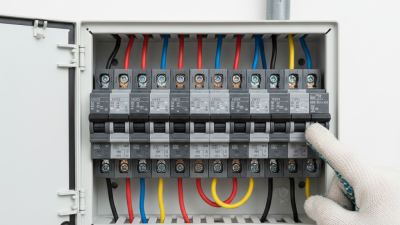
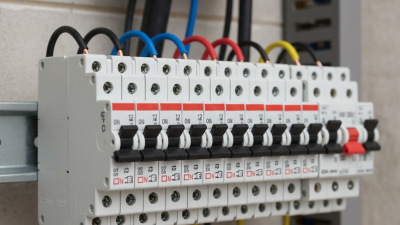
Understanding MCB circuit breakers is essential for safe electrical installations. Miniature Circuit Breakers (MCBs) protect circuits from overloads and short circuits. They automatically switch off when they detect faults. This feature prevents fire hazards and electrical damage. Knowing how they operate helps in selecting the right type.
When choosing an MCB, consider the current rating. This rating determines how much load the breaker can handle. An appropriate rating ensures it won’t trip under normal conditions. Also, pay attention to the breaking capacity. This specifies how much fault current the MCB can interrupt. Select one that matches your circuit’s potential fault current.
Tips: Check the type of load you are using. Resistive loads are different from inductive ones. Knowing the characteristics of your appliances can guide your choice. Consider the environment too. Is it damp or dusty? These factors can affect the MCB’s performance.
Ensure you don’t rush through the selection process. Mistakes can lead to inadequate protection or unnecessary tripping. Familiarize yourself with different types of MCBs, like B, C, and D types. Each serves unique applications. Taking time to understand these details can greatly improve safety and efficiency.
Understanding the Current Ratings of MCBs
Identifying Your Electrical Preferences and Requirements
When selecting an MCB circuit breaker, start by identifying your electrical needs. Consider the total load of your electrical system. This includes all devices you plan to use. Each device has its unique power requirements, which can add up quickly. Make a list of your appliances and their wattages for accuracy.
Tips:
- Always calculate a little more than your total load. This buffer can prevent overloads.
- Assess whether you need single-phase or three-phase MCBs based on your property's electrical configuration.
Understanding the environment where the MCB will be installed is also crucial. Different settings have unique demands. For example, a residential area may require different ratings compared to industrial settings. Think about the ambient temperature and humidity levels too. These factors affect the breaker’s performance over time.
Tips:
- Consider temperature ratings. Devices in warmer areas might fail sooner.
- Choose MCBs with adequate IP ratings for moist or dusty environments.
Regularly reflect on your electrical requirements. Over time, your needs may change. As you upgrade or add new devices, revisit your calculations. This habit ensures your MCBs remain suitable for your current usage. An incorrect selection can lead to tripped circuits or, worse, safety hazards. Building a clear understanding today will pay off in the long run.
Evaluating the Different Types of MCB Circuit Breakers
When selecting an MCB circuit breaker, understanding the different types is crucial. Miniature Circuit Breakers (MCBs) are categorized mainly into B, C, and D types. Type B is suitable for residential environments, protecting against overloads caused by ordinary appliances. Type C is ideal for situations with higher inrush currents, such as motors. Type D is less common but designed for high inrush loads. Identifying your specific needs will guide your selection.
Here are some important tips. Assess the electrical load of your appliances. This helps in determining the right type of MCB. Consider the type of environment—industrial or residential—as it influences overload protection requirements. Always ensure your MCB matches the rating of your electrical system. Miscalculating can lead to circuit failures or even safety hazards.
Reflecting on the installation process is vital. Check that the MCB is correctly installed according to the manufacturer’s guidelines. Over time, even the best MCBs can wear out or fail. Regular testing and maintenance of these breakers can prevent costly repairs. Stay informed about the limitations of your selected circuit breaker type. Keeping these factors in mind can significantly enhance electrical safety.
Determining the Appropriate Amp Rating for Your MCB
Choosing the right Miniature Circuit Breaker (MCB) involves understanding your specific needs. The amp rating is crucial. This rating determines the maximum current an MCB can handle before it trips. Getting this right is essential for both safety and functionality.
Consider the total load on your electrical circuit. Sum up the wattage of all devices that will operate simultaneously. This total helps you gauge the amp rating required for your MCB. For example, a circuit with devices totaling 2000 watts at 230 volts will need an MCB with at least 10 amps. However, it's wise to allow for some overhead to avoid nuisance tripping.
Also, think about the type of environment where you install the MCB. Factors like temperature fluctuations or humidity levels can affect performance. Some users may overlook that not all circuits are created equal. Reflect on your unique situation to avoid mismatched protections. Choosing the right amp rating is about more than just numbers; it’s about the safety and reliability of your electrical system.
Considering Additional Features and Specifications for MCBs
When selecting an MCB (Miniature Circuit Breaker), additional features play a crucial role. Understanding specifications can greatly influence your choice. Key specifications include breaking capacity, current ratings, and tripping characteristics. These elements ensure the MCB meets your specific requirements.
Consider the breaking capacity rating. It denotes the maximum fault current the MCB can safely interrupt. A higher rating is often needed for commercial installations. In contrast, residential setups may function well with lower ratings. Always verify the expected fault currents in your wiring system.
Tripping characteristics define how quickly the MCB responds to overloads. Types B, C, and D trip at different levels of overload. For general household use, type B is often sufficient. Yet, in scenarios with high inrush currents, type C is preferable. Each type serves different needs.
**Tips:** Assess the environment where the MCB will operate. Extreme temperatures or humidity can affect performance. Additionally, consider integrating features like surge protection or residual current devices. These can enhance electrical safety and reliability, especially in high-risk areas. A careful analysis of these details can prevent costly mistakes in the future.

 +86 13868429846
 Contact Phone
 Contact Email