2026 How to Choose the Right Spd Electrical Protector for Your Needs?
Choosing the right SPD electrical protector is crucial for safeguarding your electrical systems. An SPD electrical protector helps to redirect excess voltage from surges. This can prevent damage to sensitive equipment, enhancing reliability.
Understanding your specific needs is vital. Factors like load type, voltage levels, and potential surge sources play a significant role. Not all products fit every situation. It's essential to match the SPD electrical protector to your application.
While some may overlook the size of a protector, this can impact its effectiveness. A too-small unit may fail during a significant surge. Research and compare various models before making a decision. This process often highlights the imperfect choices one might make without careful consideration. Reflecting on these aspects can lead to better protection over time.
Understanding the Functionality of SPD Electrical Protectors
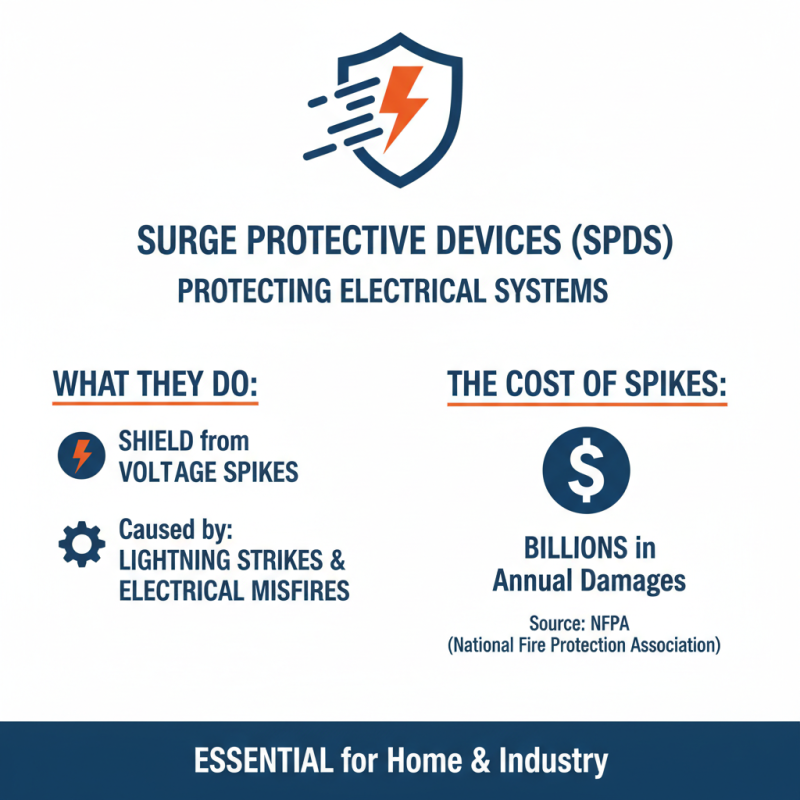
When considering SPD (Surge Protective Device) electrical protectors, understanding their functionality is essential. SPDs are designed to shield electrical systems from voltage spikes. These spikes can occur due to lightning strikes or electrical misfires. According to industry data from the National Fire Protection Association (NFPA), power surges are responsible for vast damages costing billions annually.
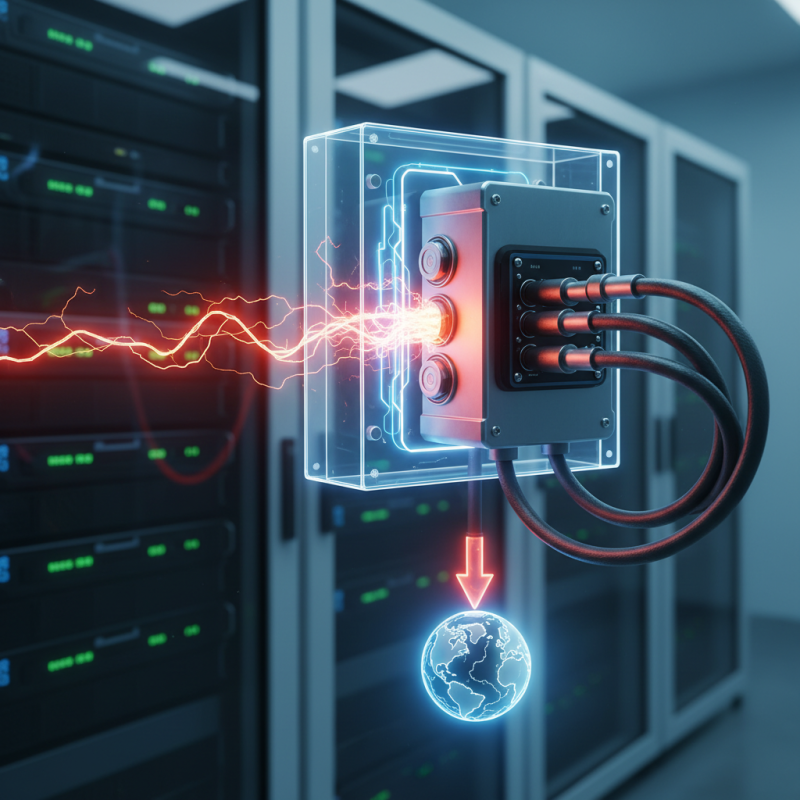
SPDs function by diverting excessive voltage to the ground, protecting equipment from damage. They come in various types, including Type 1, Type 2, and Type 3. Each type serves different applications. Type 1 SPDs are installed at service entrance panels. They are crucial for buildings in storm-prone areas. Type 2 devices are meant for downstream protection, while Type 3 SPDs are point-of-use devices. Ensuring you select the right type helps maximize protection.
Tips: Choose SPDs that meet the specific requirements of your electrical setup. Consider factors like installation location and the types of equipment protected. Regularly test your SPD to ensure it's functioning correctly. Sometimes, even the best protectors can fail. It's worth examining your surge protection strategy periodically to adapt to changing needs.
Types of SPD Electrical Protectors Available on the Market
When choosing an SPD (Surge Protective Device) electrical protector, understanding the types available is crucial. There are three main categories: Type 1, Type 2, and Type 3 SPD. Type 1 devices are installed at service entrances and can protect against surges from the power grid. They provide a robust defense against external threats. On the other hand, Type 2 devices are used downstream in buildings, protecting against internal surges. Recent reports indicate that Type 2 SPD is the most common choice among residential consumers, making up about 60% of the market.
Type 3 SPD, often referred to as point-of-use protection, safeguards specific equipment. Typically installed close to sensitive devices, they are essential in data centers and industrial settings. According to industry data, the demand for Type 3 devices has increased by 15% annually. This surge indicates a growing recognition of the need for localized protection against surges.
Companies often overlook the importance of compatibility. Not all SPD types are suitable for every application, leading to ineffective protection. It's a crucial factor. Installation errors can also arise from improper sizing or placement, causing devices to underperform. It’s vital to assess the unique needs of each environment for optimal protection against surges.
Key Factors to Consider When Choosing an SPD Electrical Protector
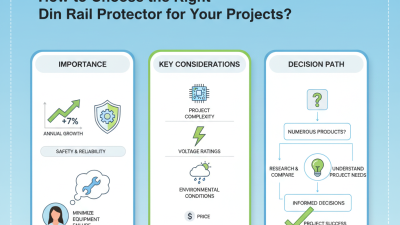
Choosing the right surge protective device (SPD) is crucial for safeguarding electronic equipment. Different environments require different protections. When selecting an SPD, consider the voltage and current ratings. Ensure the device adequately covers the maximum expected surge. Understanding your electrical system is essential in this process.
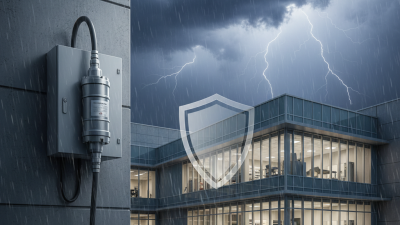
Think about installation location. Some SPDs work best indoors, while others can handle outdoor conditions. Assess the risk level of your area. If you're in a storm-prone region, investing in a more robust SPD might be wise. A little extra cost now can prevent significant damage later.
Tips: Don't overlook the maintenance aspect. Regularly check your SPD's performance. It’s easy to forget about devices once installed. Ask yourself, when was the last time you reviewed it? Also, consider future needs. Your electrical load may increase, requiring a more powerful SPD down the line. Keep these factors in mind as you evaluate your options.
2026 How to Choose the Right Spd Electrical Protector for Your Needs? - Key Factors to Consider When Choosing an SPD Electrical Protector
| Key Factor |
Description |
Importance Level (1-5) |
| Type of Protection |
Determines the specific voltage and current protection offered, whether it’s for AC or DC systems. |
5 |
| Voltage Rating |
The maximum voltage the SPD can handle without failing. |
4 |
| Current Rating |
The maximum surge current the SPD can absorb during a voltage spike. |
5 |
| Installation Location |
Should consider if it’s indoors, outdoors, or in a harsh environment. |
3 |
| Response Time |
The time it takes for the SPD to react to a surge event. |
4 |
| Nominal Discharge Current |
The current rating that indicates how much surge current the device can handle over its lifetime. |
4 |
| Certification & Standards |
Compliance with local and international safety standards. |
5 |
| Maintenance Requirements |
Frequency and type of maintenance required post-installation. |
3 |
Sizing and Rating Considerations for SPD Selection
When selecting a surge protective device (SPD), sizing and rating are crucial factors. SPDs come in various types, and their effectiveness heavily relies on their specifications. According to the IEC 61643 standard, an SPD's rating must align with the system voltage. A common oversight is choosing an SPD without understanding the maximum continuous operating voltage (MCOV) it can handle. Selecting an SPD with an inappropriate MCOV could lead to failure during a surge.
Consider the application as well. For example, residential setups typically require SPDs rated at lower voltages, while industrial environments might demand higher ratings. The National Electrical Code (NEC) suggests that an SPD should be rated based on the prospective short-circuit current available in the installation. Neglecting this can result in underperformance or hazards. The IEEE indicates that over 60% of electrical failures are due to inadequate surge protection, underscoring the importance of properly rated SPDs.
Another critical aspect is the location of installation. Indoor and outdoor SPDs serve different roles. Outdoor units must endure harsher conditions and typically have a higher enclosure rating. Choosing without assessing the environment can lead to quick degradation. Manufacturers often fail to highlight these specifics, making it a point of caution for buyers to review environmental factors in detail. Therefore, both the sizing and rating considerations are essential for optimal SPD performance.
Installation Best Practices for Optimal SPD Performance
Choosing the right SPD is crucial for protecting your electrical systems. Installation is key to ensuring optimal performance. Start by selecting a location that minimizes exposure to potential surges. This could be near your main service panel. Avoid placing it in damp or dirty environments. Proper placement can make a significant difference.
Wiring is another critical aspect. Use short and direct connections to reduce inductance. This helps maintain the SPD's effectiveness. Grounding needs careful attention too. A good ground connection is essential. It can prevent dangerous surges from affecting your devices. You might need to adjust your setup if you notice irregular performance.
Remember to check the SPD regularly. Dust and unforeseen factors can hinder its function. It's not just about installation; it's about ongoing maintenance. Take the time to reflect on your setup occasionally. Are there improvements you can make? A little effort goes a long way in protecting your systems.

 +86 13868429846
 Contact Phone
 Contact Email