How to Choose the Right Imported Voltage Protector for Your Needs?
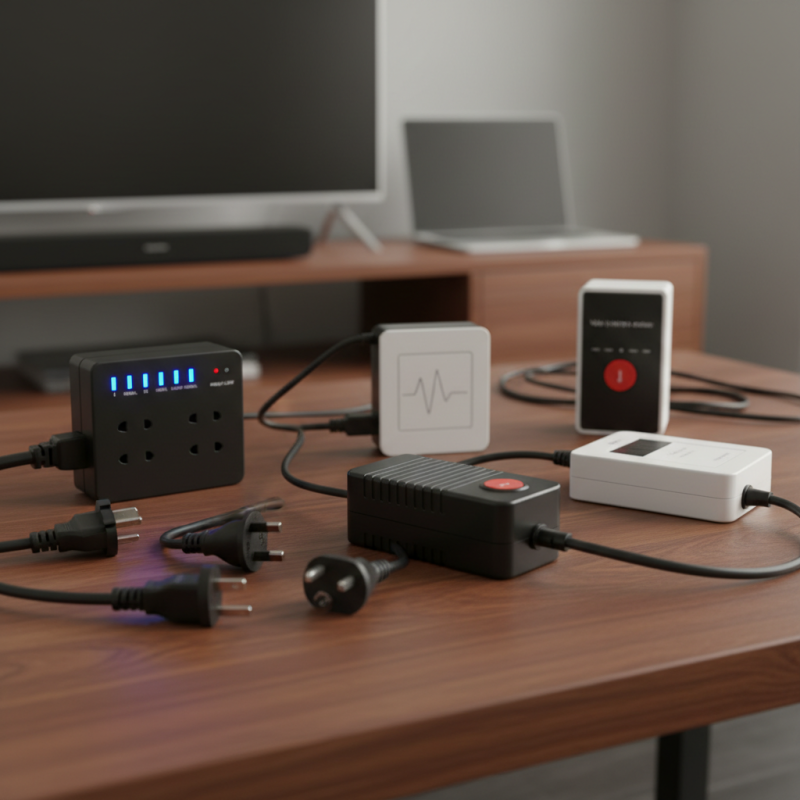
Choosing the right Imported Voltage Protector can significantly impact your appliances. Many people overlook this crucial decision, leading to potential damage. A suitable protector ensures your devices operate safely under varying voltage conditions.
Understanding your needs is essential. Consider the voltage range of your devices. Some protectors handle a broad range, while others are specific. The right choice can prevent overloading or underperformance, which is often ignored until it’s too late.
Take note of the features. Some protectors offer additional functions like surge protection and overload indicators. Evaluate what you need based on your devices' usage. However, it’s easy to get overwhelmed by choices. Reflect on your priorities. Not every feature is necessary for everyone. Ultimately, the aim is to find an Imported Voltage Protector that aligns with your requirements and safeguards your valuables.
Understanding the Importance of Voltage Protectors for Imported Devices
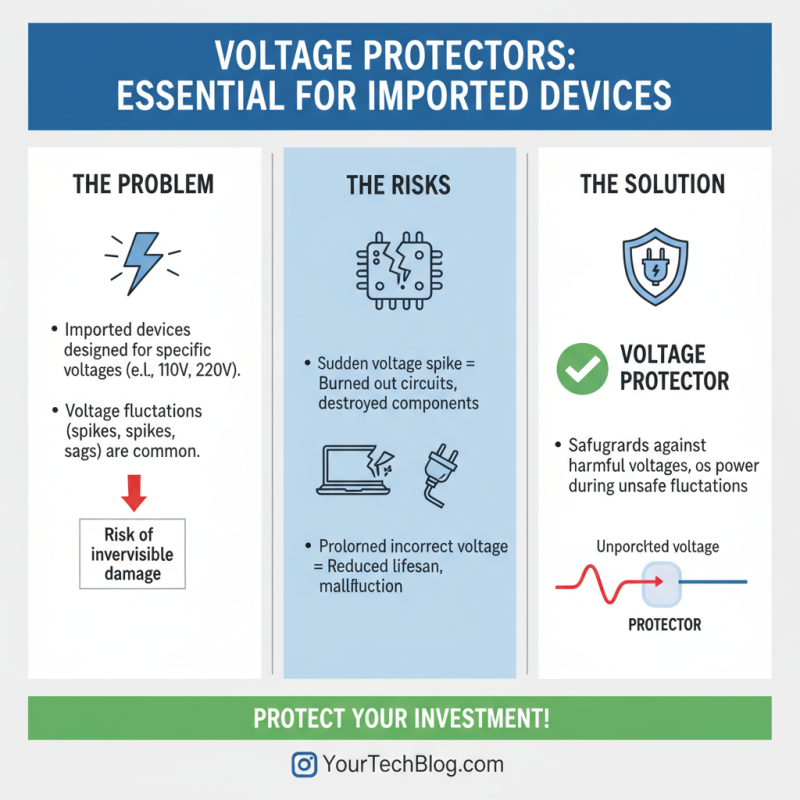
Voltage protectors play a crucial role in safeguarding imported devices. These devices are often designed for specific voltage ranges. If the voltage fluctuates, it can lead to damage. For example, a sudden spike might burn out your equipment. Understanding these risks is essential.
Many people overlook the significance of voltage protectors. They may think that their devices will function normally without them. This can be a costly mistake, especially when dealing with sensitive electronics. A simple voltage protector can cost little compared to repairs or replacements.
There’s a wide array of voltage protectors available. Not all of them suit every need. It’s important to consider factors like voltage rating and surge protection. Some users may find it overwhelming. Taking time to research will lead to better choices. Have a clear understanding of your equipment’s requirements. Doing so minimizes potential errors that could cause damage.
Identifying Your Specific Power Needs and Requirements
When selecting an imported voltage protector, start by assessing your specific power needs. Different devices require varying voltage levels. Consider the appliances you plan to protect. A refrigerator, for example, needs a stable voltage to run efficiently. Identify the voltage requirements for each device you own. It's easy to overlook this crucial detail.
Next, evaluate the total power consumption. Calculate the combined wattage of your devices. This step is essential for choosing a protector that can handle the load. Many users underestimate the importance of proper wattage ratings. If your protector is too weak, it might fail to safeguard your appliances during surges.
Keep in mind your environment. Factors like humidity and temperature affect the performance of voltage protectors. A unit that's suited for one region may not work well in another. Don't forget to check for additional features, like surge protection and indicator lights. These can provide added safety and convenience. Reflect on your choices and adjust accordingly as you learn from your experiences.
Evaluating Different Types of Imported Voltage Protectors
When evaluating different types of imported voltage protectors, it is essential to consider their design and functionality. Voltage protectors vary widely, from simple surge protectors to advanced devices that adjust power flow. Many reports reveal that inefficiencies in voltage protection can lead to equipment damage, with costs reaching thousands of dollars annually.
Choose a voltage protector based on your specific needs. For sensitive equipment, opt for models with higher response times. Data shows that a protector with a response time of less than 1 millisecond effectively prevents most surges. Additionally, consider the voltage range. Many devices require specific voltage levels to function optimally.
Tips: Make sure to check compatibility before making a purchase. A protector that is too weak may not suffice during a power surge. A strong protector can sometimes cause issues with devices not designed for higher voltages. Regularly check your voltage protector for wear and functionality. This simple check can prevent unplanned outages or equipment damage.
Key Features to Consider When Selecting a Voltage Protector
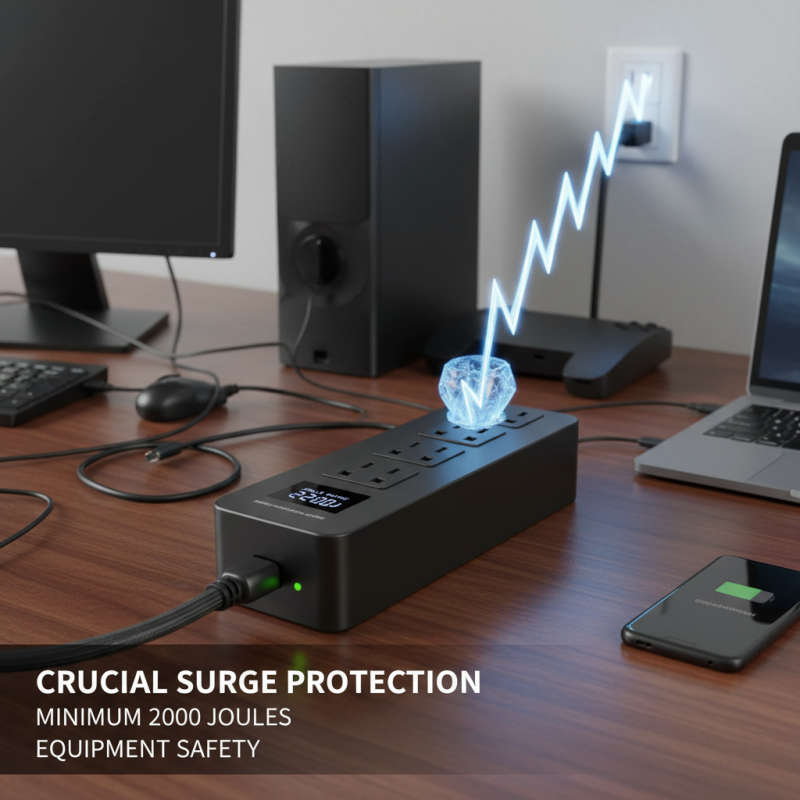
When choosing a voltage protector, several key features are essential for ensuring your equipment's safety. Surge protection is crucial. According to industry data, around 30% of electrical damage is caused by voltage spikes. A quality protector can minimize this risk effectively. Look for protectors with a high joule rating, which indicates the device's capacity to absorb energy. A minimum of 2000 joules is often recommended for sensitive equipment.
Another factor to consider is response time. A faster response time ensures that your devices are protected as soon as a surge occurs. Experts suggest looking for protectors with a response time of less than one nanosecond. This speed can make a significant difference in preventing damage.
Additionally, ensure the voltage protector has built-in LED indicators. These lights provide real-time feedback on the unit's status. They help you know when protection is active and when maintenance is needed. While some models may lack these features, having visual indicators could save you from unexpected failures. Reflect on your specific needs and prioritize reliability over superficial features.
Assessing Budget and Long-Term Value for Voltage Protectors
When choosing an imported voltage protector, budget and long-term value are critical. Many consumers focus solely on initial costs. However, a report from the Electrical Safety Foundation International (ESFI) indicates that investing in a quality voltage protector can prevent electrical damage amounting to thousands of dollars. This highlights the importance of evaluating both upfront prices and future costs.
Consider the lifespan of these devices. Some cheaper models may exhibit degraded performance within a year. A study published by the Institute of Electrical and Electronics Engineers (IEEE) found that more expensive voltage protectors can last around five to ten years, offering higher reliability. This longevity translates to better protection for your appliances and can save money over time.
Many people overlook the total cost of ownership. A low-priced voltage protector may lack essential features, leading to inadequate protection. A thorough assessment can reveal hidden costs, such as potential repairs or replacements. Asking questions about durability and features is vital. The wrong choice can lead to regrets. Therefore, recognizing the value of a high-quality voltage protector can lead to better financial and protection outcomes in the long run.
How to Choose the Right Imported Voltage Protector for Your Needs?
| Model |
Input Voltage (V) |
Maximum Load (W) |
Response Time (ms) |
Budget Range ($) |
Long-Term Value (Years) |
| Model A |
110 - 240 |
1500 |
20 |
50 - 100 |
5 |
| Model B |
100 - 240 |
2000 |
15 |
75 - 150 |
6 |
| Model C |
90 - 250 |
1000 |
10 |
40 - 80 |
4 |
| Model D |
110 - 230 |
1800 |
25 |
60 - 120 |
7 |

 +86 13868429846
 Contact Phone
 Contact Email