+86 13868429846


Choosing the right Circuit Breaker Box MCB is crucial for any electrical system. A well-selected circuit breaker ensures safety and efficiency. It protects your home from electrical faults. However, many overlook its importance.
When selecting a Circuit Breaker Box MCB, consider the specific needs of your home. The amperage, voltage ratings, and installation type play significant roles. Each electrical system can differ greatly. Understanding these details helps prevent costly mistakes.
Reliability in your choice reflects on the overall safety of your household. An incorrect breaker can lead to failures and hazards. Research is vital. Consulting professionals provides valuable insights. Aim for a balance of safety, performance, and longevity. Remember, this decision impacts your home’s electrical health.
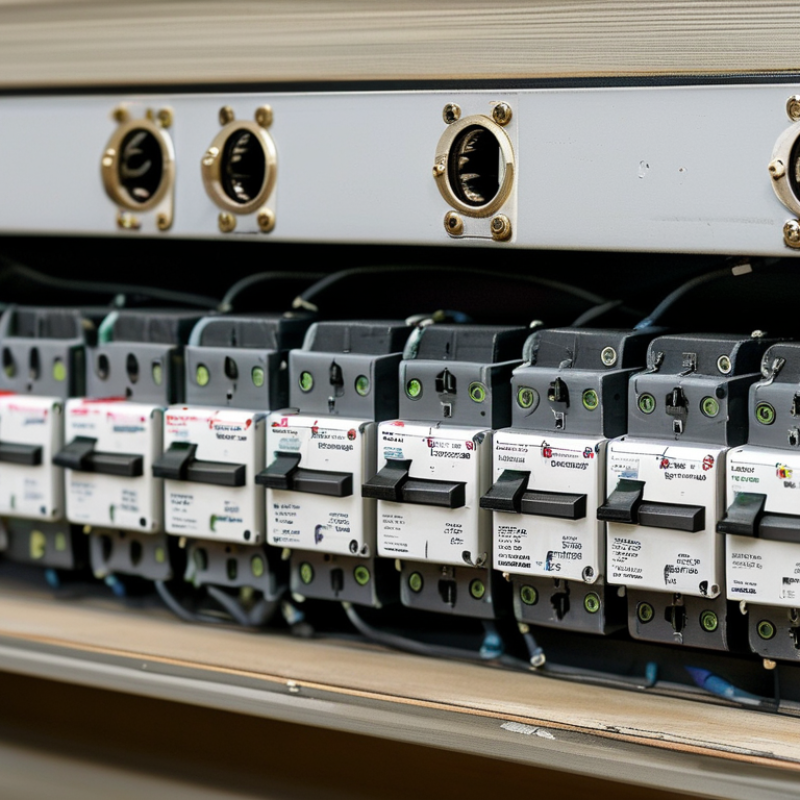
Choosing the right circuit breaker box is crucial for electrical safety. A proper box not only protects your home from overloads but also ensures a reliable power supply. Many homeowners underestimate the significance of selecting the appropriate mini circuit breaker (MCB). Understanding the specifications and ratings of MCBs can play a vital role in preventing electrical hazards.
Incorrect choices can lead to frustrating power failures or worse, fire risks. It’s essential to assess your power needs accurately. Overloading a circuit can happen easily if the box isn’t capable of handling the demand. Consider consulting with a professional electrician who can provide valuable insights based on experience. This investment in professional advice can save you time and potential hazards.
Remember, reliability isn’t just about choosing a well-known brand. It involves understanding your options thoroughly. Look for MCBs with clear labeling of their ratings and features. Also, reflect on the layout and condition of your current electrical system. Even minor miscalculations can have severe consequences. This careful approach ensures that your circuit breaker box functions effectively, providing both safety and peace of mind.

When selecting an MCB circuit breaker box, several factors are critical. One key aspect is understanding the current rating. According to the National Electrical Manufacturers Association (NEMA), choosing a box with the correct current rating prevents overloads and potential hazards. MCBs typically range from 6A to 125A. Assess your household or industrial needs carefully.
Another important factor is the number of poles required. Common configurations include single-pole and triple-pole circuits. In residential settings, a single-pole MCB suffices for lighting and small appliances. For heavier machinery or three-phase systems, a triple-pole configuration is necessary. Selecting the incorrect type can lead to inefficient operation or even failure.
Lastly, consider the environment where the MCB will be installed. Outdoor installations require a weatherproof enclosure. According to industry reports, dust, moisture, and extreme temperatures significantly affect MCB performance. Ensure the chosen box meets the specific environmental requirements to maintain reliability. Ignoring these details might save costs initially but can lead to greater expenses due to failures or repairs down the line.
When selecting a circuit breaker box, understanding the types is crucial. There are various types of circuit breakers, each designed for specific applications. Miniature Circuit Breakers (MCBs) are common for residential use. They provide reliable overload protection and are suited for everyday appliances. Installing an MCB in your home can help prevent circuit overloads, ensuring safety.
Another type is the Residual Current Circuit Breaker (RCCB). This type protects against electrical shocks by detecting imbalances in electrical currents. It's particularly important for wet areas, like kitchens and bathrooms. Using an RCCB can significantly reduce the risk of electrical accidents.
While it's vital to choose the correct type, the installation is equally important. Proper mounting and wiring are essential for optimal function. Many people overlook this step, leading to potential hazards. Regular inspections of your circuit breaker box can help identify issues early. Being proactive about these aspects ensures longevity and safety.
When selecting a circuit breaker box, understanding energy needs is crucial. An effective evaluation starts with analyzing your household's total energy consumption. The average American home uses about 30 kilowatt-hours (kWh) daily. This data can guide sizing the circuit breaker box to handle your peak loads safely.
Consider the types of appliances you'll run. Large devices like air conditioners or electric dryers often require dedicated circuits. The National Electrical Code (NEC) specifies that circuits for these high-demand machines should support higher amperages, typically between 20 to 50 amps. It’s essential to factor in both current usage and future expansion.
Undersizing your circuit breaker can lead to overheating and potential fire hazards. According to the Electrical Safety Foundation International, electrical failures cause nearly 51,000 home fires each year. Therefore, thorough planning is necessary. Calculate your anticipated load, and then add a safety margin. Taking these precautions ensures your circuit box meets both current and future needs securely. Assessing energy requirements can prevent costly mistakes and enhance safety.
| Tip No. | Tip Description | Considerations | Example Applications |
|---|---|---|---|
| 1 | Assess Your Total Load Requirements | Calculate the combined wattage of all devices. | Residential or office electrical setups. |
| 2 | Understand Different Breaker Ratings | Choose between standard (15-20A) and higher ratings (30A+). | Heavy machinery or residential circuits. |
| 3 | Consider Future Expansion | Leave room for additional circuits and devices. | Growing businesses or new home constructions. |
| 4 | Choose the Right Type of MCB | Select between Type B, C, or D based on load characteristics. | Domestic vs. industrial applications. |
| 5 | Evaluate Voltage Requirements | Ensure compatibility with your electrical system (120V, 240V). | Commercial vs. residential requirements. |
| 6 | Check for Regulatory Compliance | Adhere to local electrical codes and standards. | New installations and renovations. |
| 7 | Consider Brand Quality and Reviews | Research user feedback and reliability scores. | Homeowners making an investment. |
| 8 | Evaluate Service and Support Options | Check for warranty and customer service reliability. | Long-term investments in electrical systems. |
| 9 | Look for User-Friendly Features | Consider ease of installation and operation features. | DIY projects and professional setups. |
| 10 | Price Comparison and Budget Planning | Compare prices across different retailers. | Home renovations and upgrading systems. |
When installing a circuit breaker box, safety is paramount. Ensure you choose a location that is dry and accessible. This will make future maintenance much easier. A clutter-free area reduces risks during installation, creating a safer environment. Proper clearing of the workspace allows for better inspection before connecting any wires.
Understanding the ratings is crucial. Different circuits require specific amperage ratings. Consult guidelines to avoid overloads. Incorrect ratings can lead to failures or hazards. Consider using labels for clarity. Labeling not only helps during installation but also assists in identifying circuits during troubleshooting. Furthermore, ensure the box has adequate space for all necessary breakers. Overcrowding can result in overheating, increasing fire risks.
Always adhere to local codes and regulations. These may vary significantly in different regions. A professional consultation might bring up aspects you've overlooked. It's important to reflect on the details, as rushing may lead to mistakes. Lastly, double-check all connections before securing the box. A small error can lead to larger issues down the line. Prioritize safety and guidance while ensuring your setup meets the highest standards.
This chart displays essential tips for selecting the right circuit breaker box based on important considerations.