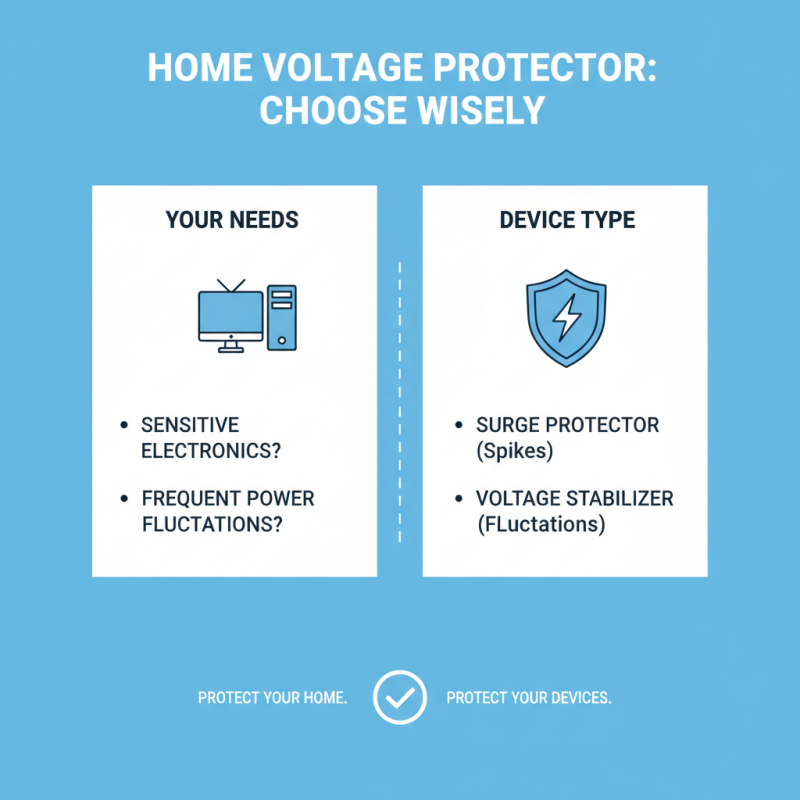
Three Voltage Protector Tips for Optimal Home Electrical Safety?
In today’s world, electrical safety at home is essential. The rise in electronic devices increases the risk of voltage surges. William Grant, an expert in the voltage protection industry, emphasizes, "Protecting your home from voltage spikes is not just smart; it's necessary." His insight sheds light on the importance of having a robust system in place.
The "Three Voltage Protector" strategy offers practical solutions. Each protector caters to various electrical needs in your home. For instance, surge protectors can safeguard expensive appliances. However, homeowners often overlook certain aspects. Not every surge protector is effective against all voltage issues.
Proper installation and regular maintenance are crucial. Many homeowners assume their protectors are functioning until it’s too late. Investing in quality protectors can prevent costly damages. The truth is, without awareness and diligence, safety measures can sometimes fall short. It's time to reflect on how we approach home electrical safety.
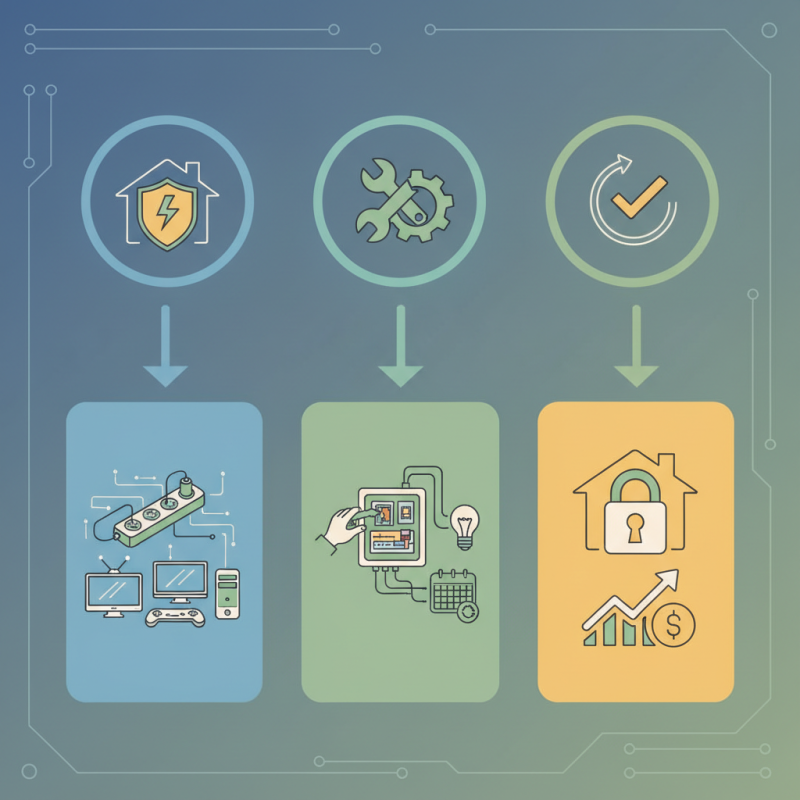
Understanding Voltage Protectors and Their Importance in Home Safety
Voltage protectors are essential for ensuring electrical safety in homes. They act as a barrier against power surges that can damage appliances and electrical systems. Understanding how these devices operate can help you safeguard your home effectively.
Proper installation and maintenance of voltage protectors are crucial. Regularly check connections and replace any outdated devices. Many assume their protectors are working without testing them. This can lead to unexpected failures during a surge. An unexpected surge can lead to damaged electronics, resulting in costly repairs.
Choosing the right type of voltage protector is important. Look for devices that cover a wide range of voltage fluctuations. Many ignore the specifications and end up with inadequate protection. A well-selected protector ensures that your home stays safe from potential electrical hazards. Don't overlook this simple step; it could save you from significant losses.
Installation Tips for Maximum Efficiency of Voltage Protection Devices
When it comes to voltage protection devices, installation is crucial. Properly positioning these devices can make a big difference. Locations near the main electrical panel are often the best. This allows them to monitor incoming voltage levels effectively. Wiring should be neat and secure. Loose connections can lead to malfunctions.
In addition, don't overlook the grounding process. A solid ground connection is vital for efficiency. It helps in diverting excess voltage safely. Many people skip this step, thinking it's unnecessary. However, this oversight can result in costly damage. Remember, even a small mistake can create big problems.
Regular maintenance is also essential. Check these devices periodically. Look for signs of wear or damage. Keeping an eye out can prevent larger issues. It’s easy to forget, but vigilance is key. Ensuring everything is in order will lead to safer electrical use at home.
Regular Maintenance Practices to Ensure Optimal Performance of Protectors
Maintaining voltage protectors is essential for home electrical safety. Check your protectors regularly to ensure they are functioning correctly. You might think they work indefinitely, but that’s not true. Dust and wear can compromise their effectiveness over time.
Schedule routine inspections. Look for signs of damage or wear. Replace any faulty components promptly. Consider keeping a maintenance log. Track when you last checked each protector. This will help remind you when to do it again.
Don’t overlook the importance of the environment. Moisture or extreme temperatures can affect protector performance. Ensure they are installed in appropriate locations. If ever in doubt, consult a professional. Remember, a small oversight can lead to significant issues.
Three Voltage Protector Tips for Optimal Home Electrical Safety
This bar chart illustrates the effectiveness of regular maintenance practices on the performance of voltage protectors over time. The data includes the frequency of maintenance checks and their correlation with protector efficiency ratings.
Common Voltage Protection Misconceptions and Best Practices Reminders
Many homeowners hold misconceptions about voltage protection. A significant number believe that surge protectors can prevent all electrical damage. In reality, these devices only protect against certain spikes. According to studies from the Institute of Electrical and Electronics Engineers (IEEE), over 60% of power surges occur due to internal faults rather than external influences like lightning.
Another common myth is that voltage protectors are a one-time solution. Regular maintenance and checks are essential. Reports suggest that nearly 30% of surge protectors become less effective after a few years of use. Homeowners must replace or test their devices periodically to ensure they function correctly.
Homeowners often overlook the importance of properly grounding their electrical systems. This practice is vital for preventing electrical shocks and equipment damage. A poorly grounded system increases the risk of voltage spikes. The National Electrical Code emphasizes the need for proper grounding, yet many homes lack adequate systems. Addressing these oversights can significantly enhance electrical safety in homes.

 +86 13868429846
 Contact Phone
 Contact Email