Top 10 Voltage Electric Protectors You Need for Safety and Reliability?
In our increasingly digital world, safety and reliability are paramount. Many rely on electrical devices daily, making the role of a Voltage Electric Protector crucial. These protectors guard your appliances against unforeseen surges and fluctuations. They are a small investment for peace of mind.
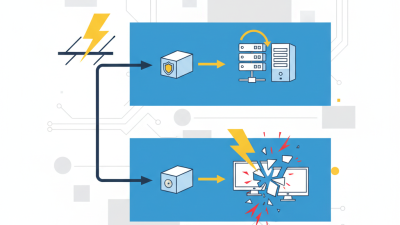
Understanding the function of a Voltage Electric Protector is essential. These devices detect dangerous levels of voltage and act quickly to prevent damage. Whether at home or in an industrial setting, their importance can’t be overstated. You might think your devices are safe, but power surges can strike unexpectedly.
Choosing the right protector is not always straightforward. Factors like compatibility, response time, and overall quality must be considered. It is easy to overlook these details. However, doing so can lead to costly damages or dangerous situations. Thus, this guide aims to illuminate some of the top voltage protectors available today. We will explore their features, benefits, and why they are necessary for ensuring safety and reliability.
Understanding Voltage Electric Protectors and Their Importance
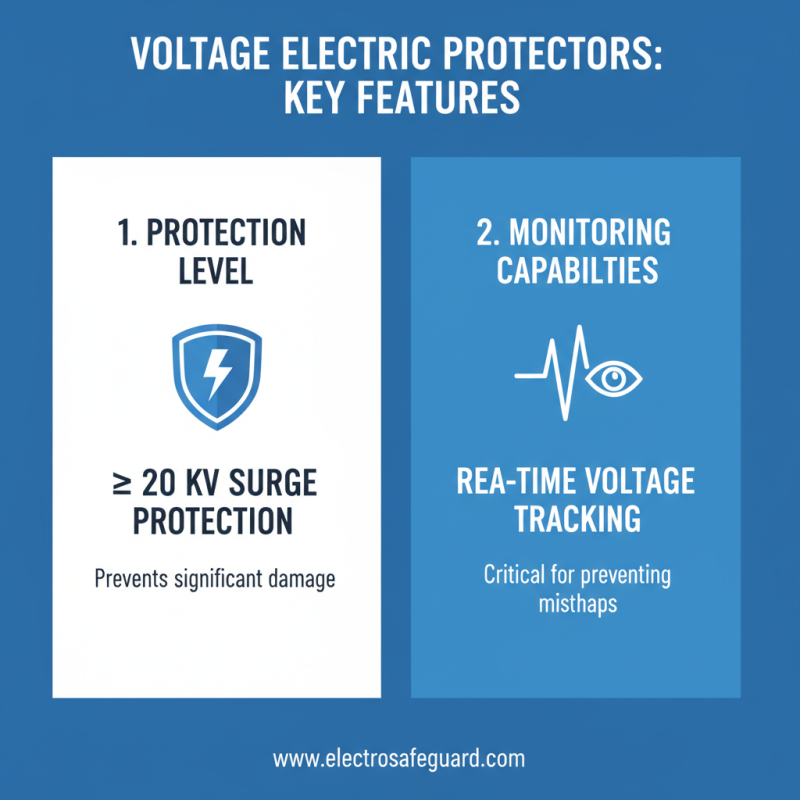
Voltage electric protectors play a crucial role in maintaining electrical safety and reliability. These devices guard against overvoltage, which can cause serious damage to electrical equipment. According to the National Fire Protection Association (NFPA), electrical failures or malfunctions accounted for over 10% of U.S. home structure fires in recent years. This highlights the importance of using effective voltage protection.
To choose the right voltage protector, understanding your electrical system is key. Protectors should match the voltage levels of your equipment. A mismatch can lead to ineffective protection. It's also vital to assess the environment where the protector will be used. Moisture or dust can impact performance. Regular inspection and testing of voltage protectors ensure they function correctly. Neglecting maintenance can lead to unexpected failures.
**Tips:** Regularly check the condition of your voltage protector. Replace units that show signs of wear. Using surge protectors in tandem can boost safety. Remember, the cost of these devices is minor compared to the expenses caused by electrical damage. Always consult with a qualified electrician for tailored advice on your needs.
Top 10 Voltage Electric Protectors: Safety and Reliability
This chart represents the efficiency ratings of various voltage electric protectors based on their voltage regulation, response time, and failure rate. Higher efficiency ratings indicate better performance in protecting electrical devices.
Top 10 Voltage Electric Protectors for Home and Industrial Use
When it comes to safeguarding your home or industrial space, voltage electric protectors play a crucial role. These devices prevent damage and ensure safety when voltage spikes occur. For homeowners, using a voltage protector can reduce the risk of appliance failure or electrical fires. In industrial settings, protecting sensitive machinery is vital for operational efficiency.
Selecting the right protector involves understanding your needs. For instance, consider the voltage range of your appliances. Some protectors are designed for specific voltage limits. Look for features like surge protection and automatic reset options. Regular inspection is essential. Over time, protectors can wear out or become ineffective.
Tips: Always choose a protector with a warranty. Trustworthy devices often come with guarantees. Installation should be performed by qualified electricians. This ensures the device is set up correctly and safely. Power surges happen unexpectedly. Being proactive is key to avoiding costly disasters in both homes and industrial environments.
How to Properly Install and Maintain Voltage Electric Protectors
Properly installing and maintaining voltage electric protectors is crucial for ensuring safety and reliability in electrical systems. These devices defend against voltage surges and fluctuations, which can cause significant damage to equipment. According to industry reports, nearly 60% of electrical failures are linked to improper installation or lack of maintenance. This emphasizes the need for meticulous installation processes.
Start by choosing the right location for installation. It should be accessible and protected from environmental hazards. Ensure the device is connected to a grounded system. This prevents electrical surges from traveling back into your home or business. Regularly inspect connections and wiring for any signs of wear or corrosion. Such vigilance can prevent a potential failure.
Maintenance should be scheduled biannually. Cleansing the device and checking for loose connections is essential. Keeping a log of these inspections helps track any irregularities. Many professionals overlook these details, leading to oversight. Faulty voltage protectors can be indistinguishable from functioning ones under casual observation. The impact could be detrimental. Neglecting this aspect can result in unexpected equipment downtime and costly repairs.
Top 10 Voltage Electric Protectors You Need for Safety and Reliability
| Model |
Voltage Range |
Protection Type |
Response Time |
Maintenance Tips |
| Protector A |
110-240V |
Surge |
< 1 ms |
Check connections quarterly |
| Protector B |
220-380V |
Over/Under Voltage |
< 2 ms |
Replace annually |
| Protector C |
50-480V |
Surge and Over Voltage |
< 0.5 ms |
Test every six months |
| Protector D |
120-240V |
Under Voltage |
< 1 ms |
Inspect for wear annually |
| Protector E |
220-480V |
Surge Protection |
< 3 ms |
Maintain dry environment |
| Protector F |
110-240V |
Combined Protection |
< 1 ms |
Regularly check settings |
| Protector G |
150-300V |
Under Voltage |
< 2 ms |
Clean fans every month |
| Protector H |
100-240V |
Surge Suppressor |
< 1 ms |
Check indicator lights regularly |
| Protector I |
220-380V |
Voltage Regulator |
< 4 ms |
Inspect wiring connections |
| Protector J |
120-240V |
All-in-One Protection |
< 2 ms |
Test functionality every season |
Safety Standards and Certifications for Voltage Electric Protectors
When choosing voltage electric protectors, safety standards and certifications are crucial. These certifications ensure that devices meet specific performance and safety criteria. Common safety standards include UL, IEC, and ANSI. These organizations verify that products can withstand voltage spikes, protecting your electronics and appliances.
Electric protectors that comply with these standards are more reliable. They undergo rigorous testing, which enhances their performance in real-world situations. A protector with a valid certification provides reassurance. However, not all devices prioritize these standards. Some may focus on cost over quality, leading to potential risks. Always check for the markings before making a purchase.
In the end, understanding safety certifications creates a more informed decision. Devices of questionable reliability may save money initially but could lead to costly damages later. Investing in certified voltage protectors minimizes risks. Reflect on your choices and prioritize safety.

 +86 13868429846
 Contact Phone
 Contact Email