
 +86 13868429846


Understanding Lightning Protection Series: Protecting Your Assets from LEMP
2025-04-24
In an age where technological advancement is crucial, it is vital to protect electrical and electronic systems from natural phenomena such as lightning. The lightning protection range is designed to reduce the risks associated with lightning electromagnetic pulses (LEMP) by dividing the protected space into different lightning protection zones (LPZs). This structured approach not only defines the severity of potential lightning strikes, but also delineates the equipotential bonding points required for effective lightning protection.
The first zone, LPZ0A, represents the highest risk zone, where all objects are susceptible to direct lightning strikes. In this zone, lightning current is conducted away, but the electromagnetic field is not attenuated. This means that any equipment or structure within the LPZ0A zone is at risk of severe damage from direct lightning strikes and the resulting electromagnetic interference. For organizations operating in this area, it is critical to implement strong lightning protection measures to protect their assets from the full threat of lightning strikes.
Adjacent to LPZ0A is the LPZ0B zone, which covers areas within the selected lightning protection rolling ball radius. Similar to LPZ0A, objects within this zone may also be directly struck by lightning without attenuation of the electromagnetic field. The difference between the two zones is their spatial relationship to the rolling ball radius, which is a key factor in determining the required lightning protection range. Organizations must assess their operating environment to ensure that adequate protection measures are in place to minimize the risk of damage from lightning strikes.
As we move into the LPZ1 zone, the risk of a direct lightning strike decreases significantly. In this zone, objects are no longer likely to be struck directly, and both the lightning current and the electromagnetic field strength are attenuated. The degree of attenuation depends on the shielding measures implemented within the building or facility. This zone serves as a transition zone where the effectiveness of the lightning protection system can be evaluated and organizations can begin to implement additional protection strategies to further reduce the risk of LEMP.
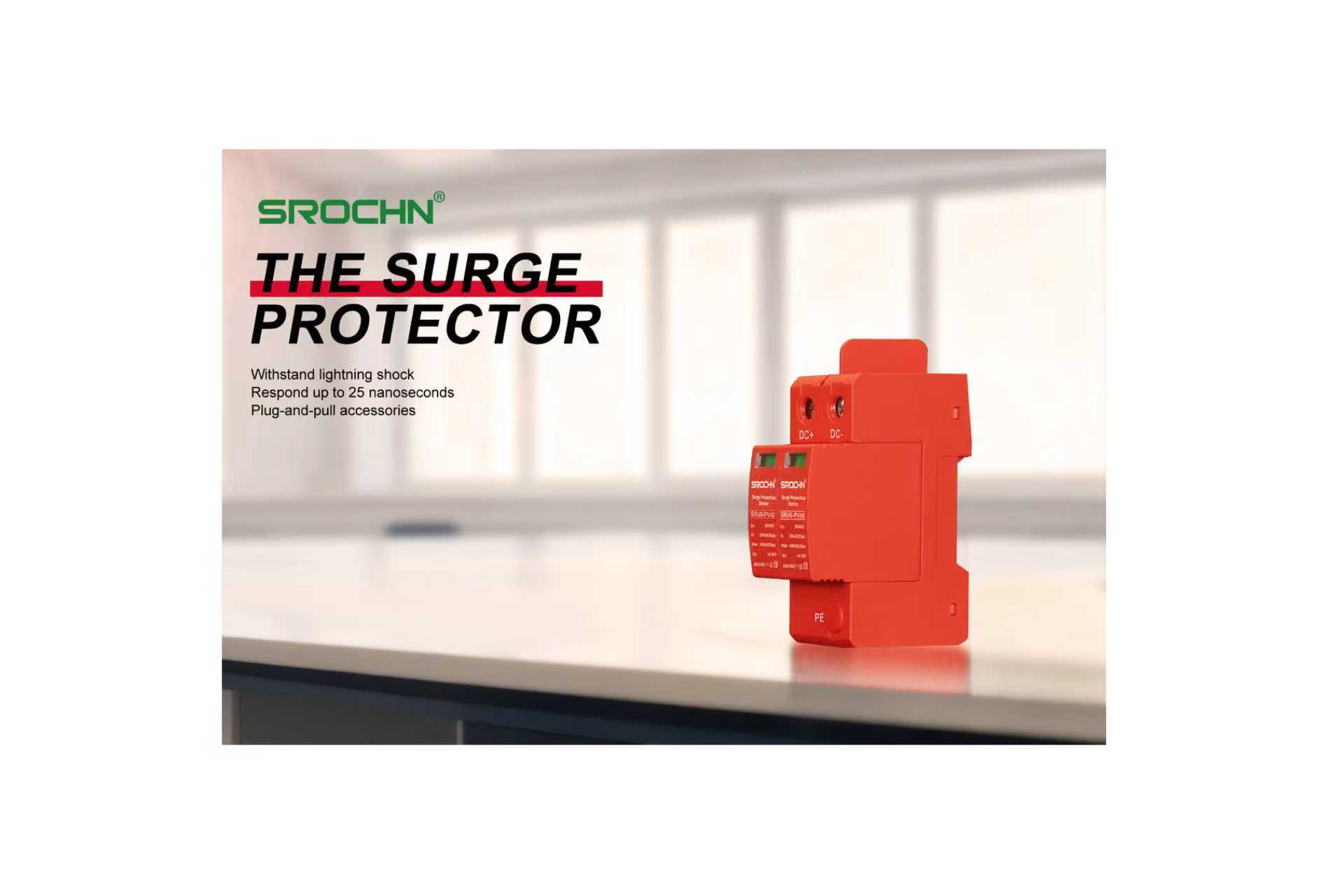
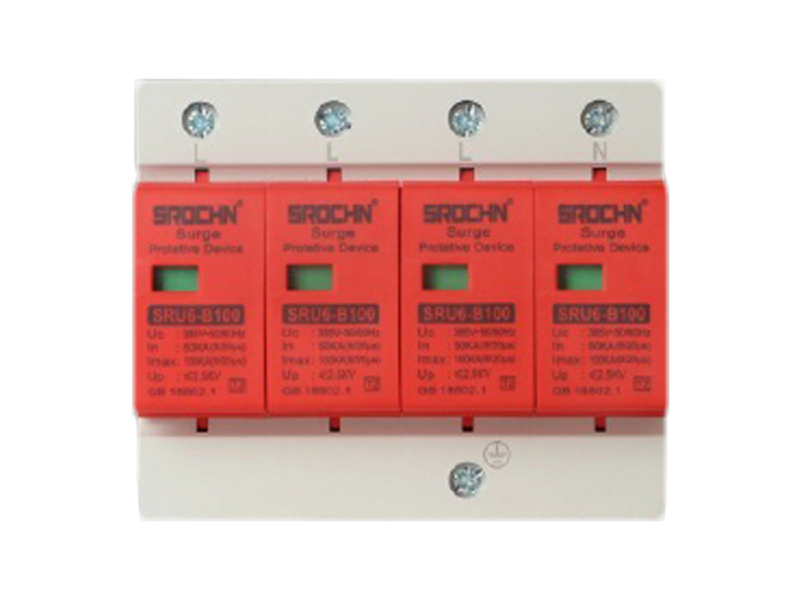
LPZ2 is for environments that require a higher degree of protection against lightning currents and electromagnetic field strengths. This zone is often used in special environments, such as shielded rooms or equipment installed in metal enclosures, chassis or cabinets. The conditions of this lightning protection zone are tailored to the specific environment of the protected object to ensure the highest safety level. The visual window of the protection system indicates the operating status, showing green when operating normally and red when a fault occurs, so that quick action can be taken.
The Lightning Protection Series provides a comprehensive framework to help understand and implement an effective lightning protection strategy. By dividing the protected space into different lightning protection zones, organizations can better assess their risk level and take appropriate measures to protect their assets from the potentially destructive effects of lightning electromagnetic pulses. As technology continues to develop, the importance of a strong lightning protection system cannot be underestimated, so companies must prioritize their lightning protection strategies.